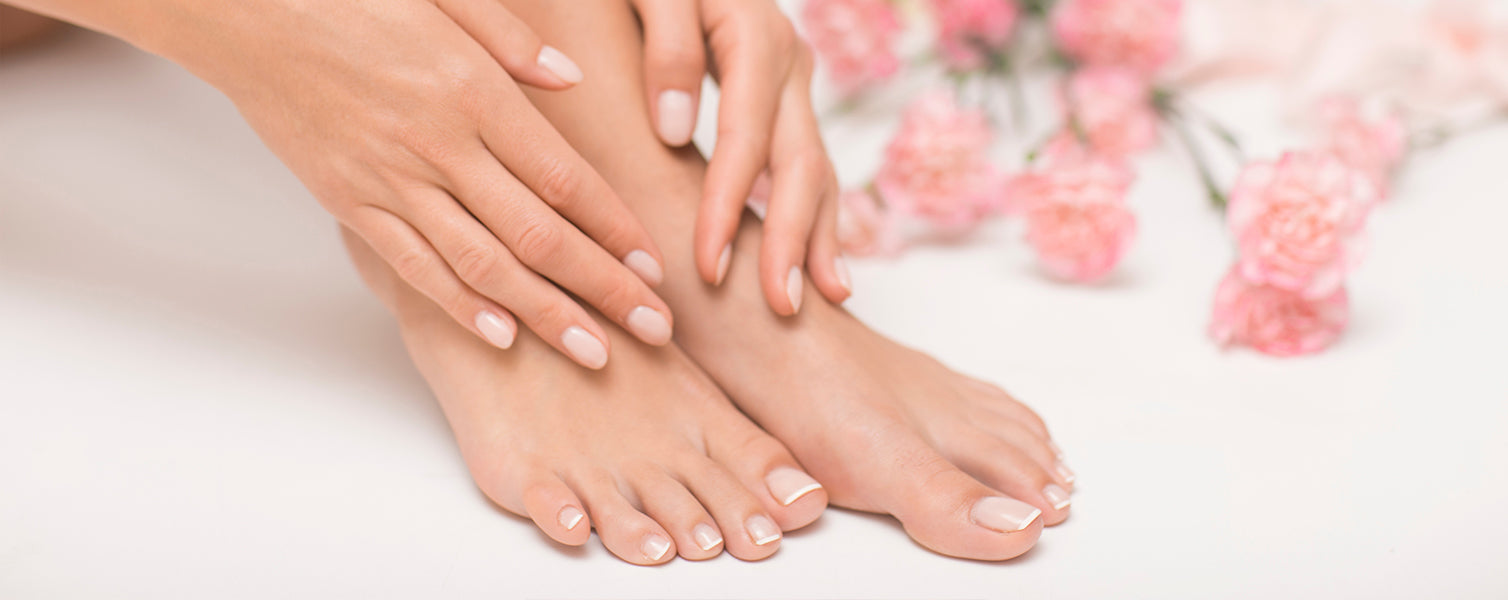




Winter does not just affect the face. Hands, feet and nails often show signs of seasonal stress much earlier than we expect. Dry air, closed footwear, frequent hand washing and reduced circulation can leave nails brittle, cuticles rough and heels cracked. At O3+, we notice every winter that people begin to pay attention to nail and foot care only when discomfort starts. A steady manicure pedicure routine helps prevent these concerns instead of reacting to them later.
Cold months demand gentler care and more nourishment. With the right manicure and pedicure products, it becomes easier to keep hands soft, feet comfortable and nails healthy throughout winter.
Why Do Nails and Feet Need Extra Care in Winter
Winter air carries very little moisture. Combined with indoor heating and prolonged shoe wear, this dries out the skin on hands and feet faster than usual. Nails may lose flexibility and start breaking, while feet can feel tight or rough.
Common winter concerns include:
- Dry cuticles and hangnails
- Brittle or peeling nails
- Cracked heels
- Dull-looking hands and feet
- Discomfort after long hours in shoes
This is where a consistent manicure pedicure kit helps restore balance instead of relying on quick fixes.
What Is the Difference Between Manicure and Pedicure
Although often done together, manicure and pedicure serve different purposes.
Manicure vs Pedicure: Key Differences
|
Aspect |
Manicure |
Pedicure |
|
Focus area |
Hands and nails |
Feet, toenails and heels |
|
Common concerns |
Dry cuticles, brittle nails |
Rough heels, cracked skin |
|
Frequency |
Every 2 to 3 weeks |
Every 3 to 4 weeks |
|
Winter need |
Moisture and nail strength |
Softening and repair |
|
Tools used |
Manicure kit |
Pedicure kit |
Both are essential in winter, but each requires slightly different care.
Winter Manicure Care: Keeping Hands Soft and Nails Strong
Hands are exposed to cold air, soap and sanitizers daily. Winter manicure care should focus on hydration and protection rather than aggressive filing or buffing.
Using a nourishing manicure kit helps maintain nail health while preventing dryness.
The O3+ Pedilogix Bubblegum Manicure & Pedicure Kit is often used for winter hand care because it cleans gently while supporting moisture. Its soothing texture helps reduce tightness without making hands feel greasy.
For deeper nourishment, especially when hands feel rough or dull, the O3+ Pedi Bright Hand Gloves Cream Mask provides concentrated care. Wearing the gloves allows the skin to absorb moisture evenly, leaving hands visibly softer and more comfortable.
Winter Pedicure Care: Preventing Dryness and Cracked Heels
Feet often remain hidden during winter, but they need consistent attention. Long hours in closed shoes reduce airflow, which can lead to dryness and discomfort.
A structured pedicure kit helps address these concerns step by step.
The O3+ Pedilogix Scoopbomb Ice-Cream Pedicure Kit offers a gentle yet effective way to soften feet and improve comfort. It supports relaxation while helping reduce rough texture caused by cold weather.
For brighter and smoother feet, the Pedi Bright Foot Socks Cream Mask works well as a weekly treatment. The sock-style mask allows hydration to reach deeper layers, making it easier to maintain soft heels through winter.
Professional-Style Care at Home During Winter
Some people prefer a more complete routine that works for both hands and feet together. In such cases, a combined manicure and pedicure products solution can simplify care.
The O3+ Pedilogix PRO Algae Pedicure & Manicure Kit is designed for full winter maintenance. Algae-based formulations support hydration while helping the skin feel refreshed and balanced. This kit suits those who want structured care without frequent salon visits.
Winter Manicure and Pedicure Tips That Actually Help
Simple habits make a noticeable difference during cold months.
Helpful winter manicure and pedicure tips include:
- Applying hand cream after every wash
- Wearing gloves outdoors to protect nails
- Avoiding very hot water for foot soaks
- Moisturising feet before bed and wearing cotton socks
- Trimming nails straight to avoid breakage
These small steps support long-term comfort and healthier-looking nails.
How Often Should Mani-Pedi Be Done in Winter
Winter routines should be gentle and consistent.
- Manicure: every 2 to 3 weeks
- Pedicure: every 3 to 4 weeks
- Masks: once a week for hands and feet
Overdoing treatments can dry the skin further, so balance is key.
Conclusion
Winter care should feel steady, not complicated. With the right manicure pedicure kit, thoughtful habits, and regular nourishment, nails and feet can stay comfortable even in the coldest months. At O3+, we believe winter self-care works best when it supports the skin rather than pushing quick results.
Our collection of Manicure and Pedicure products fits naturally into winter routines that prioritise comfort, hydration, and consistency.
When hands and feet feel genuinely cared for, winter becomes far easier to enjoy.
FAQs
1. Why do nails and feet need extra care during winter?
Cold weather, low humidity and indoor heating dry out the skin and nails, leading to rough cuticles, cracked heels and brittle nails. Regular winter care helps maintain softness and strength.
2. How often should manicure and pedicure be done in winter?
A manicure every 2 to 3 weeks and a pedicure every 3 to 4 weeks works well in colder months, along with weekly moisturising care at home.
3. Can manicure and pedicure kits be used at home in winter?
Yes. Using a manicure pedicure kit at home helps maintain hygiene, hydration and nail health between salon visits, especially during winter dryness.
4. What is the main difference between manicure and pedicure care?
Manicure focuses on nail health, cuticles and skin of the hands, while pedicure addresses foot hygiene, cracked heels, calluses and nail care for the feet.
5. How can I keep hands and feet soft between sessions?
Daily moisturising, wearing gloves and socks at night, and using cream masks or hydration-focused products help maintain softness and prevent dryness.